|
 |
 |
|
Lake Superior Agates, Gemstones & Rocks
Part 2
- Minerals & Agate "cousins"
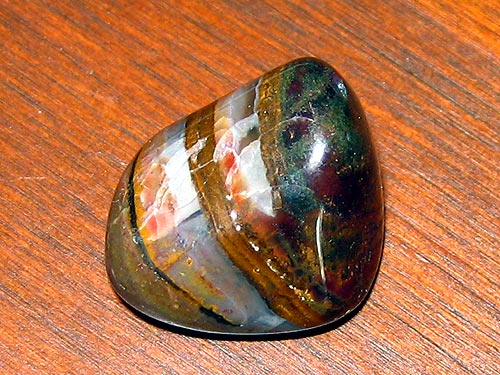
My first Lake Superior Agate found on the beach at Black River Harbor
near Ironwood, Michigan. Unfortunately mistakes in tumbling
resulted in some fractures.
Go Here for Guide Books on Lake Superior Beach Rocks and Lake Superior Agates

Want to combine Agate Hunting & a Fall Color trip?
See our Scenic Fall Color Road Trip Directory around Lake Superior
Agate Hunting & Rock Picking Directory
 Part 1 - Identifying Beach Stones & Agates around Lake Superior
Part 2 - Recognizing Rocks & Agate Collected on Lake Superior Beaches (you are here)
Part 3 - Identifying Agates versus Agate Wanna-Be's 

Rock Tumbling Lake Superior Rocks & Gemstones
Tumbling and polishing Agates - Agate pictures & some tips on using tumbling pellets
Pictures of Lake Superior Agates - Moose Lake Geology Interpretive Center

See our Guides to the Best Agate Picking Beaches around Lake Superior.
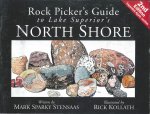
The first two reference books for Lake Superior beach rocks and agates I found helpful are: Sparky Stensaas' "Rock Picker's Guide to Lake Superior's North Shore" and Susan Robinson's "Is this an Agate." Armed with Sparky's and/or Susan's book plus some of the pictures and descriptions I've provided here, perhaps will help you ID what you are collecting.
Another rock pickers reference book that helped me with agate hunting is "Understanding and Finding Agates
In addition to the reference books helping expand our agate hunting skill and knowledge, we were greatly helped by attending the "Rock On with Lake Superior Agates" festival. We learned a great deal more about identifying and collecting agates on Lake Superior's beaches. Lots of fun and great way to learn more about the hobby of beach rock and agate collecting.
This section continues with pictures and descriptions of some non-agate beach rocks plus provides a few pictures of agates we and others have found on Superior's beaches.
By the way, if you want to print out any of these larger images, just *right click* on the image and choose "copy image" to copy it to your hard drive. Once there you can click on it and print it out.

Minerals found in or as Lake Superior Beach Rocks

Quartz
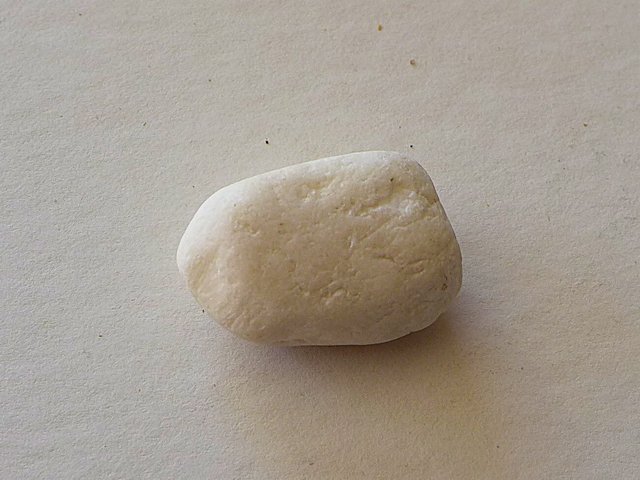
Quartz is a common mineral found among the beach stones, very hard (will scratch glass), somewhat translucent like frosted glass, and be white to yellow to grayish in color (impurities cause this variety in colors). Generally found as pebbles or imbedded in other rocks. In fact some of the pebbles were formerly amygdules that broke loose from the rock in which they were imbedded.
Calcite
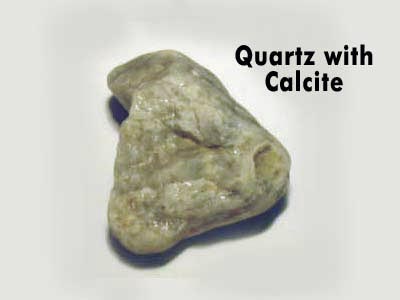
Calcite (calcium carbonate) at first glance may be thought to be quartz as it is a similar color (white to yellowish) and also commonly found, both as pebbles and imbedded within other rocks. But scratch it and you'll see it is much softer than quartz - chalky.
To the far right is an amalgam of quartz & calcite
Chert
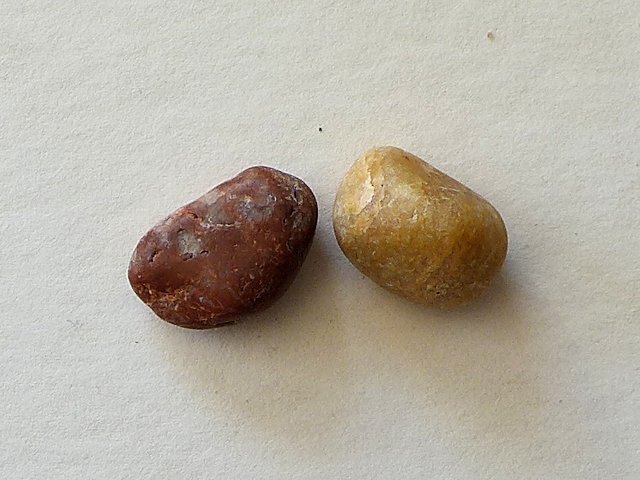
Cherts are a tiny crystal form of quartz. Impurities make them less translucent than quartz. They have a waxy appearance, somewhat shiny. The rocks depicted in the picture are cherts. I think the stone on the left is a Jasper, a variety of chert.
Flint
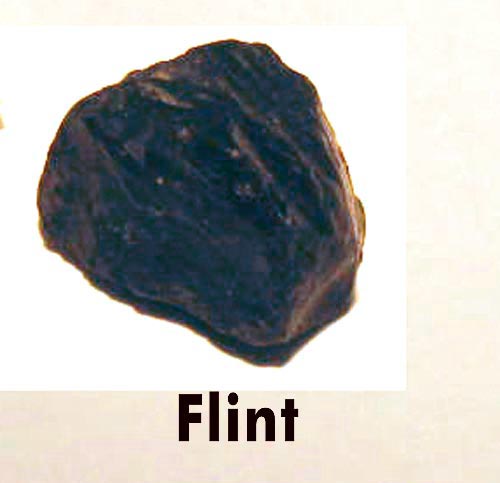
Another variety of chert is Flint, essentially black chert. Note the waxy, somewhat shiny surface of this unpolished rock.
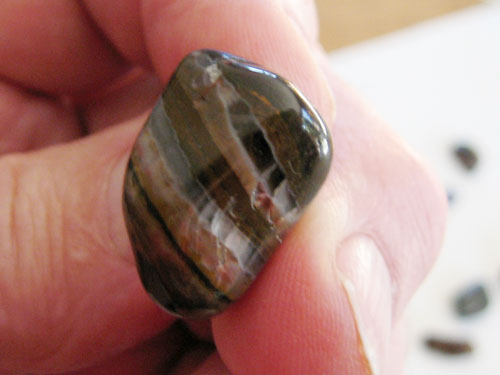
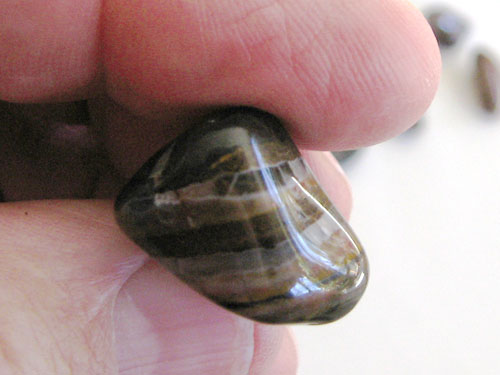
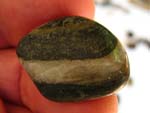
When I picked this guy off the beach at Black River Harbor, Michigan in 2008, I thought I had finally found my first Lake Superior Agate Beach Rock. It's bands are somewhat different than many of the Superior Agates I've seen. My wife Jo thinks it is a water-level agate. Here's two views of it.
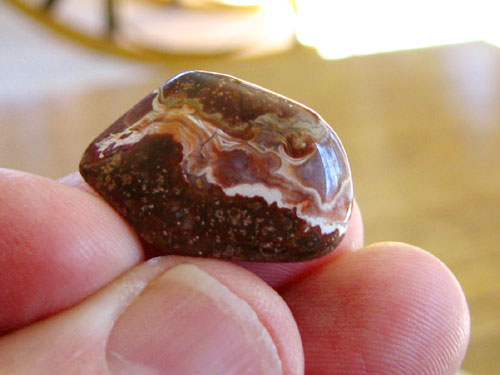

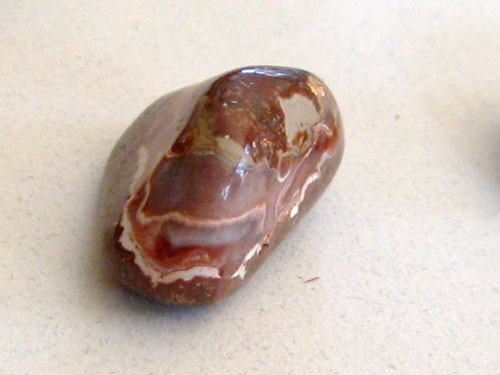
In 2009 I found another Agate. This one is called a seam agate as the agate forms in a seam of the host rock.
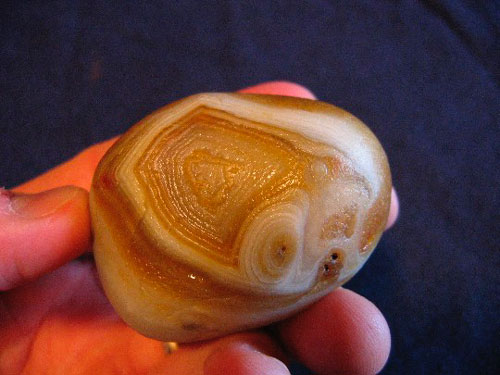
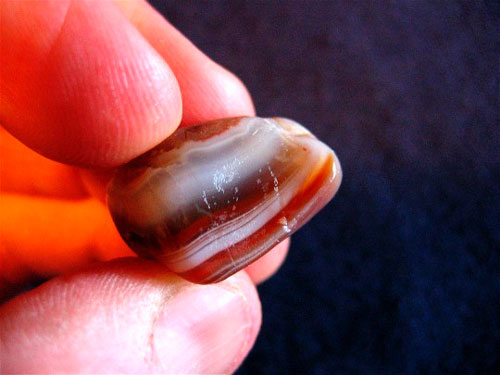

Jeff King of Pickford, Michigan sent me some pics of 3 agates he found during the summer of 2009 on Lake Superior beaches near Munising, MI - - - Great finds Jeff, I'm jealous.
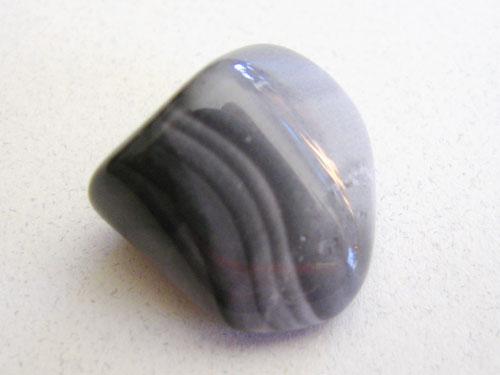

Now the attractive banded rock pictured here is NOT an agate. But could easily be mistaken for an agate due to its banding and chochoidal fracture pattern. But this rock is a banded chert, an agate cousin, but not an agate. The bands formed similar to how they form in a true agate but the crystal granules are so tight that the rock is opaque rather than translucent or partially translucent. Another marker that it is a chert rather than an agate is its color is atypical of a Lake Superior Agate.
Lake Superior Agates in Disguise
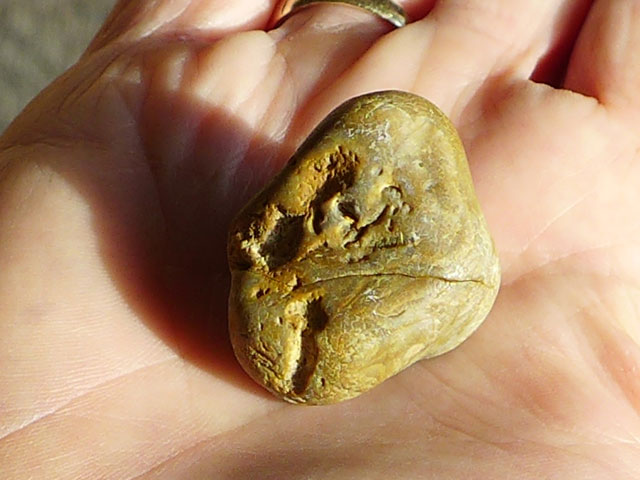
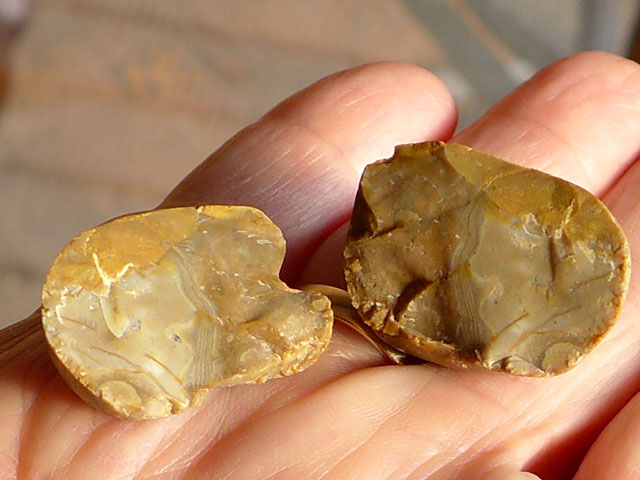 Here's an example (left) of gnarly rock you might pick up on the beach and through away, but if you look close and understand characteristics of Lake Superior Agates in the rough, you might take it home and crack it open to discover an Agate inside (right pix).

Agates
Part 1, Lake Superior Beach Rocks & Agates
Part 3. Identifying Agates vs. Agate Wanna-Bees.

See more Lake Superior Agate Pictures plus some advice on using tumbling pellets to tumble and polish agates.
Black River Harbor Agate Hunting - pictures and video.
Want to See More Agates? - Go Here for pix from the Lake Superior Agate Museum
See some advice on using tumbling pellets to tumble and polish agates.
Books on Lake Superior Agate Hunting & Rock Picking
Many of the books we own ourselves or have reviewed them extensively in libraries or bookstores. They are offered through our association with Amazon.com as an Amazon Associate (our modest commission on sales is paid by Amazon, not you)
|
|
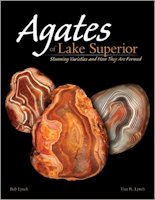
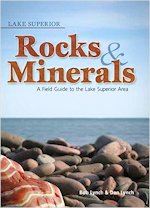
Recommended by a SuperiorTrails friend & rock hound, this new guide has actual photographs of various rocks and minerals found on Lake Superior beaches. Co-author Bob Lynch is owner of Agate City Rocks and Gifts in Two Harbors Minnesota |
|
|
Karen Brzys. Director, Gitchee Gumee Agate & History Museum, has created this comprehensive tutorial to finding agates. Includes over 750 photographs and diagrams. |
Lake Superior Rocks & Minerals Field Guide
|
Here is another book recommended by a Superior Trails reader and rock hound who was able to identify over 50 rocks found on the beach using this guide by Kevin Gauthier and Bruce Mueller. Also included are tips for polishing the stones and rock. Kevin and Bruce also publish a similar guide for Lake Michigan rocks. |
My wife Jo found this agate hunters book while traveling in the UP and thought it would help her find her first Lake Superior Agate. It is full of tips for agate hunting (and rock picking) and has some very good color photographs of a number of agate variations as well as photos of the other kinds of rocks you'll find on Lake Superior beaches. |
 |
|
Sparky's guide covers what north shore beaches to comb, a bit of history on the formation of the various rocks found on beaches, and helpful information and pictures on identifying beach rocks and minerals. Gift Ideas for your |
|
 |
|
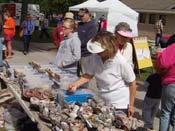
Rock On Festival - Lake Superior Agates
We had a great time at our first festival. My wife Jo found 5 agates on the beach and is now an addicted agate hound!. |
|
Links for Rock Picking on Lake Superior Beachs and information on Agates and Rocks found around Lake Superior
|
|








Continuing your Travel & Trekking
 Around Lake Superior
Superior Trails Lake Superior Circle Tour
- Minnesota North Shore Directory Page
- Duluth Travel Attractions & Events
- Two Harbors to Beaver Bay, MN
- Wisconsin South Shore Directory Page
- Superior Wisconsin - things to see and do
The big holiday season attraction around Lake Superior is Duluth's Bentleyville Tour of Lights, one of the largest outdoor holiday lights displays in the USA. See more Duluth Holiday events here.
SuperiorTrails.com - Reinhold Development - 2025
Privacy Policy

- Lake Superior Circle Tour
- Minnesota North Shore
- Wisconsin Travel
- Upper Peninsula Michigan
- Michigan Upper Peninsula Travel Directory
- Camping in Upper Peninsula
- Keweenaw Peninsula Scenic Drives
- Copper Harbor - Keweenaw
- Black River Harbor Scenic Area
- Porcupine Mountains
- Pictured Rocks National Park
- Fall Color Porcupine Mountains
- Pictured Rocks National Park
- Tahquamenon Falls State Park
- Winter Events Upper Peninsula
- Ontario Travel
- Travel Resources
- SuperiorTrails.com Travel Planner
- Guide to Superior Travel Maps
- Lake Superior Travel Blog
- Lake Superior Golf Course Directory
- Lake Superior Campground Directory
- Finding Lake Superior Agates
- Fall Color Drives
- Fall Color Reports
- Scenic Byways Blog
- SEARCH this site
- Superior Travel Bookstore
- Snow & Weather Reports
- Agates & Beach Rocks
- About Us
 Lake Superior Camping
& Campground Directory
Best Camping along Lake Superior.
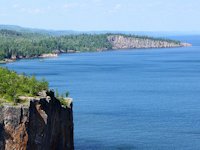 Lake Superior Travel Directories
Minnesota Travel
Wisconsin Travel
Upper Peninsula Travel
Ontario Travel
See our Directory of our favorite Upper Peninsula Scenic and Recreation areas.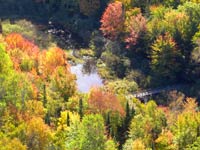
 Don't miss experiencing Duluth's Canal Park, Shopping and Entertainment District.
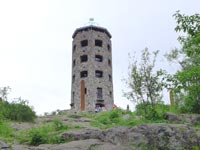
Duluth's Enger Park Tower provides a panaramic view of the city of Duluth.
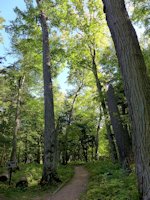
See our reviews on Best Hiking and Camping Guides around Lake Superior.
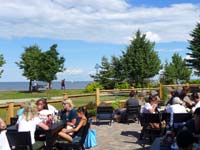
Enjoying lake breezes and views at the Canal Park Brewery Beer Garden - Canal Park.
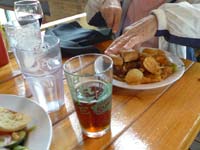
Follow our Hunt for the
Best Burgers & Pubs
in Duluth, Minnesota.
 Tall Ships Duluth Festival August 18 -21
Enjoying lake breezes and views at the Duluth Canal Park Brewery Beer Garden - Canal Park.
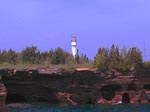
See the lighthouses on an Apostle Islands Cruise.
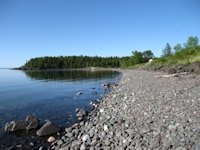
Best Agate and Rock Picking Beaches around Lake Superior
Travel Information |
Motels & Hotel Directory |
Lake Superior Circle Tour Road Map & Guide to Travel Attractions around Lake Superior.
How to recognize Lake Superior Agates and Beach Rocks.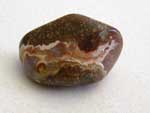
See Our Reviews of the best guides to Lake Superior Agates and Beach Rocks.

 See our guide to interesting and fun things to see and do on Madeline Island.