|
 |
 |
|

Lake Superior Agates, Gem Stones & Rocks
- Part 1
Igneous and Metamorphic Lake Superior Beach Rocks
What is this Rock? . . . Is this an Agate?
Meandering along Lake Superior's beaches sorting through the stones and pebbles washed up on the shore is one of my favorite relaxing ways to pass the time . . . doing not much at all. The ultimate prize is finding a Lake Superior Agate.
Go Here for Guide Books on Lake Superior Beach Rocks and Lake Superior Agates
Agate Hunting & Rock Picking Directory
 Part 1 - Identifying Beach Stones & Agates around Lake Superior (you are here).
Part 2 - Recognizing Rocks & Agate Collected on Lake Superior Beaches.
Part 3 - Identifying True Agates from Agate Wanna-Be's.

Pictures of Lake Superior Agates - Moose Lake Geology Interpretive Center
Rock & Agate Tumbling
Rock Tumbling Lake Superior Rocks & Gemstones.
Tumbling and polishing Agates - Agate pictures & some tips on using tumbling pellets.

 See our Guides to the Best Agate Picking Beaches around Lake Superior.
Identifying all these interesting rocks found on Lake Superior beaches
One problem with novice rock hounds is the rocks and stones we see on the beach don't look like the ones we find in the shops. They've been tumbled and polished to bring out their beauty. I needed to run into someone on the beach who knows their stones and can help me know what an agate in the rough looks like. (At the annual Lake Superior Agate Festival I found lots of these sorts of folks!)
But aside from agates, I find all sorts of neat looking, interestingly shapped rocks along the beach. I rarely come home from a trip to or around the Lake without a box full of rocks. Once I began the habit of collecting rocks, I graduated to trying to learn more about them. I've done some reading in an attempt to better identify what I am finding on the beach. Two sources have been particularly helpful: Sparky Stensaas' "Rock Picker's Guide to Lake Superior's North Shore" and Susan Robinson's "Is this an Agate." (See our recommended Rock Hound books near the bottom of the page)
While these two books have been expertly documented and illustrated, I wish they had shown me actual photographs of the rocks rather than drawings. Which leads to what I am endeavor to accomplish here - giving other rock pickers actual photographs of a number of the rocks, stones, and minerals you are likely to find along the shore.
Armed with Sparky's and/or Susan's book plus some of the pictures and descriptions I've provided here, perhaps will help you ID what you are collecting.
By the way, if you want to print out any of these larger images, just *right click* on the image and choose "copy image" to copy it to your hard drive. Once there you can click on it and print it out.
~~~"Click" on smaller images for a larger picture~~~

Basalt
Basalt is one of the most common rocks you'll find, yet I love their smooth surface and solid feel in my hand. Each one has a distinctive shape and in a variety of shades of color from blush-black to grey. They are volcanic rock formed from lava that quickly cooled when it reached the surface. That quick cooling is what caused it to be dense, very fine grained (tiny crystals) and smooth - although the smooth surface is also due to glacial grinding & Gitche Gumme tossing it about for eons. That Basalt rock you hold in your hand is over a billion years old!
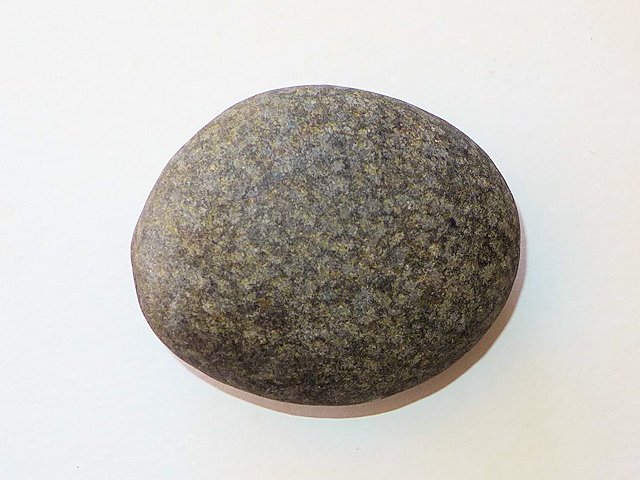
Ophitic Basalt
Ophitic Basalt looks like a basalt rock that has been decorated with lighter colored little painted petals. They come from tiny feldspar crystals that were in the lava. Because the crystals have worn at different rate than the basalt there is often a slight mottled texture to these these stones. This particular specimen has many feldspar crystals, others have fewer and require more close inpsection to see them (look for the little spots that look as if they were put there by dabbing with a paint brush).
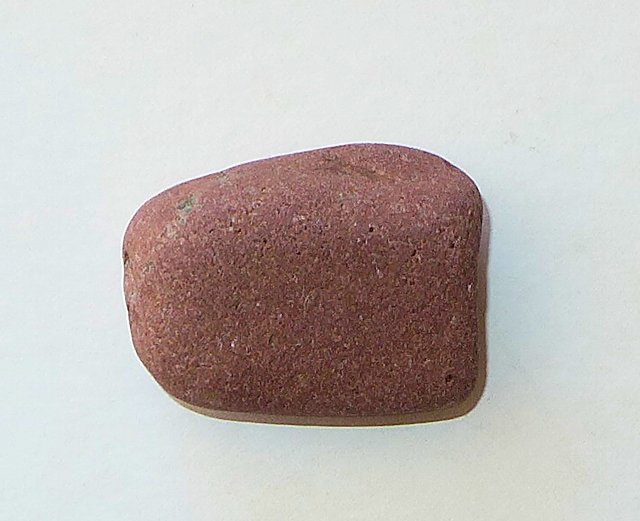
Rhyolite
Rhyolite is a sandy-colored version of Basalt. Formed from quickly cooling lava just like basalt, it is rich in silica and potassium, whereas basalt is poor in these minerals and richer in iron, and other minerals. Coloration of Rhyolite will vary depending upon the mix of silica and iron and some of the trace minerals. Some stones may be a difficult call: basalt or rhyolite?
The sample on the far right may be Rhyolite that has darker bands of flow of an iron-richer form of lava. > > >
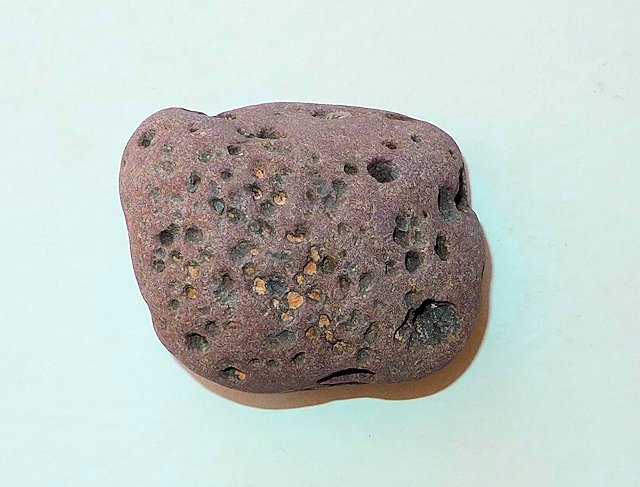
Vesicular Rhyolite
Frequently the molten lava flowing from deep down in the earth was filled with gases that formed bubbles when the lava cooled - leaving a pock-marked surface on the rock. The sample to the right shows two examples - one with many vesicules and the other with only a few.
A similar process occurs with basalt, forming vesicular basalt. Unfortunately I don't have any samples to show here.
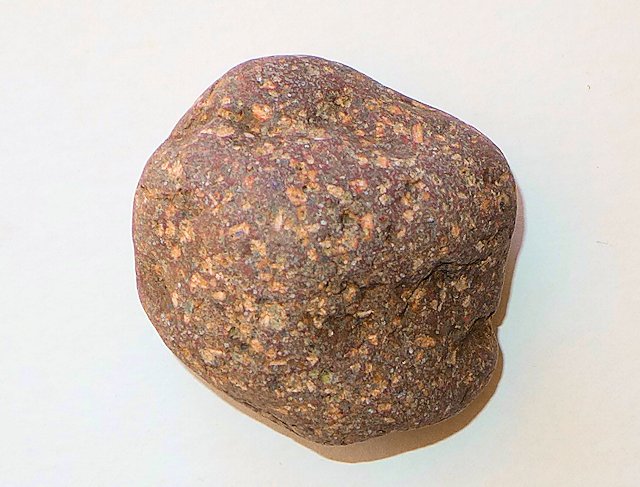
Amygdaloidal Rhyolite
Sometimes the holes that create vesicular rhyolite fill up with molten minerals - often calcite and quartz - that form crystals in the cavities when the lava cools into a rock. The crystal spots are always rounded since the holes were formed by gas bubbles.
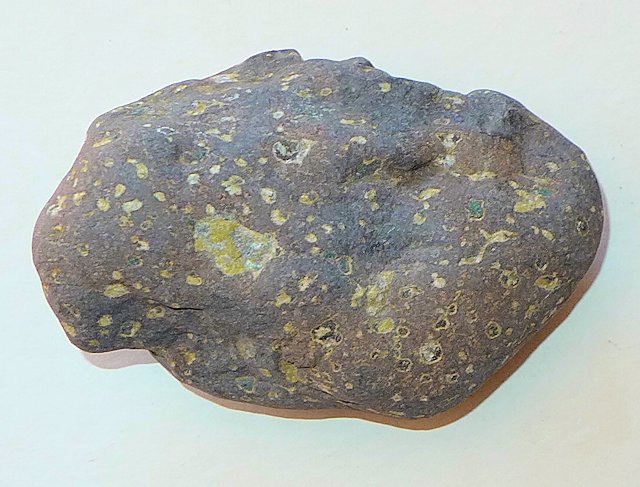
Here is a sample of Amygdaloidal Basalt > > >

Porphitic Basalt
At first glance, a porphitic rock looks like the amygdaloidal rocks pictured above. On closer inspection you'll see the blobs of crystals are rectangular shaped not round. This is because the crystals were already there when the magma was molten. Rhyolite can also occur in a porphitic form.
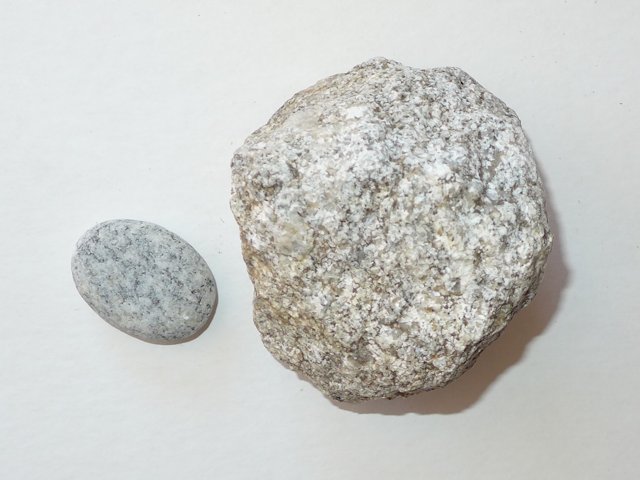
Granite
Granite is formed deep underground and stays there for a time, cooling slowly. This process forms large crystals and includes minerals like quartz, feldspar and mica embedded within the rock. It is coarse grained and speckled. Although it appears quite different, it is similar in basic composition to rhyolite - rich in silica and poor in iron.
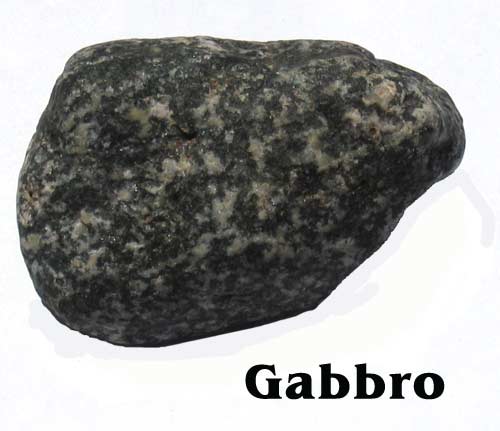
Gabbro
As granite is the coarse grained, slow cooling cousin of rhyolite, gabbro is the coarse cousin of basalt, formed deep underground as granite. My guide books say it can range from black to gray or a mixture of black and light crystals. Sparky says to look for "weathered white flecked" dark, coarse rocks. The white or light gray crystals you see in the sample to the right are weathered plagioclase crystals.
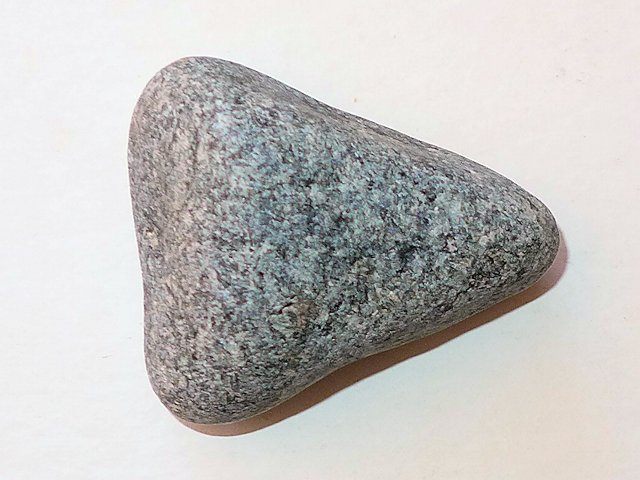
Diabase
Here's a rock that is a hybrid of basalt and gabbro - diabase. Basalt results from lava that cools quickly on the surface; gabbro results from magma cooling slowly deep within the earth; diabase occurs in between, cooling medium slowly and closer to the surface. As a result it is medium grained with smaller crystals than either granite or gabbro.
If you hold these guys at an angle to the sun, you can usually see some smaller sparkly crystals reflecting the light.
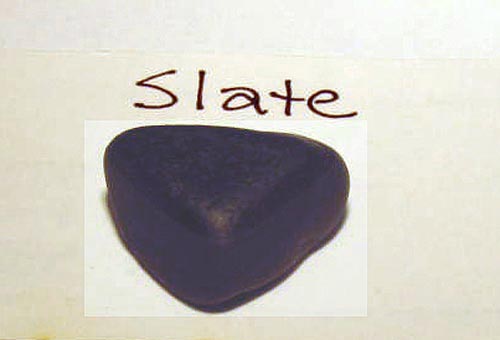
Slate
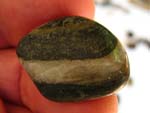
This is a metamorphic rock formed by heat and presure on shale. It is dark to gray in color, smooth, somewhat shiny, and generally flat. Look for some layering. Look closely at this sample and you can see the lighter colored layer sandwich.
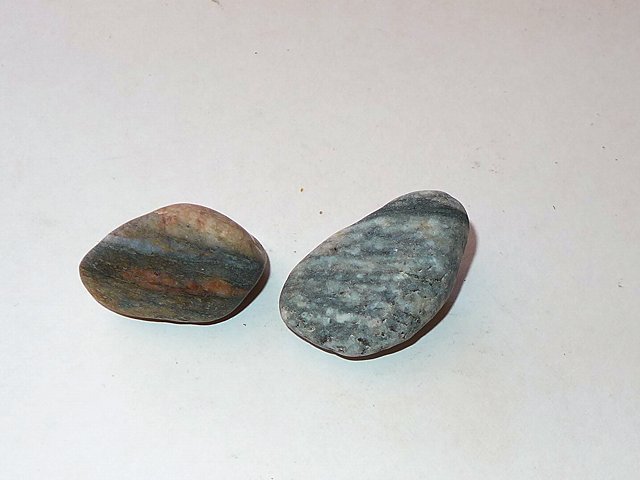
Gneiss
Gneiss is also a metamorphic rock. It can be similar in appearance to granite but can be more fine-grained. What is distinctive about gneiss are the bands of minerals that form alternating colors.

Agates
Part 3. Identifying Agates vs. Agate Wanna-Bees.
Want to See More Agates - Go Here for pix from the Lake Superior Agate Museum.

See more Lake Superior Agate Pictures plus some advice on using tumbling pellets to tumble and polish agates.
Black River Harbor Agate Hunting - pictures and video.
Books on Lake Superior Agate Hunting & Rock Picking
Many of the books we own ourselves or have reviewed them extensively in libraries or bookstores. They are offered through our association with Amazon.com as an Amazon Associate (our modest commission on sales is paid by Amazon, not you).
|
|
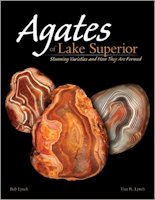
Recommended by a SuperiorTrails friend & rock hound, this new guide has actual photographs of various rocks and minerals found on Lake Superior beaches. Co-author Bob Lynch is owner of Agate City Rocks and Gifts in Two Harbors Minnesota |
|
|
Karen Brzys. Director, Gitchee Gumee Agate & History Museum, has created this comprehensive tutorial to finding agates. Includes over 750 photographs and diagrams. |
Lake Superior Rocks & Minerals Field Guide
|
Here is another book recommended by a Superior Trails reader and rock hound who was able to identify over 50 rocks found on the beach using this guide by Kevin Gauthier and Bruce Mueller. Also included are tips for polishing the stones and rock. Kevin and Bruce also publish a similar guide for Lake Michigan rocks. |
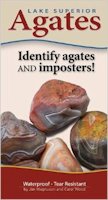
My wife Jo found this agate hunters book while traveling in the UP and thought it would help her find her first Lake Superior Agate. It is full of tips for agate hunting (and rock picking) and has some very good color photographs of a number of agate variations as well as photos of the other kinds of rocks you'll find on Lake Superior beaches. |
 |
|
Sparky's guide covers what north shore beaches to comb, a bit of history on the formation of the various rocks found on beaches, and helpful information and pictures on identifying beach rocks and minerals. Gift Ideas for your |
|
 |
|
Rock On Festival - Lake Superior Agates
We had a great time at our first festival. My wife Jo found 5 agates on the beach and is now an addicted agate hound!. |
|
|
|










Continuing your Travel & Trekking
 Around Lake Superior
Superior Trails Lake Superior Circle Tour
- Minnesota North Shore Directory Page
- Duluth Travel Attractions & Events
- Two Harbors to Beaver Bay, MN
- Wisconsin South Shore Directory Page
- Superior Wisconsin - things to see and do
The big holiday season attraction around Lake Superior is Duluth's Bentleyville Tour of Lights, one of the largest outdoor holiday lights displays in the USA. See more Duluth Holiday events here.
SuperiorTrails.com - Reinhold Development - 2023
Privacy Policy

- Lake Superior Circle Tour
- Minnesota North Shore
- Wisconsin Travel
- Upper Peninsula Michigan
- Michigan Upper Peninsula Travel Directory
- Camping in Upper Peninsula
- Keweenaw Peninsula Scenic Drives
- Copper Harbor - Keweenaw
- Black River Harbor Scenic Area
- Porcupine Mountains
- Pictured Rocks National Park
- Fall Color Porcupine Mountains
- Pictured Rocks National Park
- Tahquamenon Falls State Park
- Winter Events Upper Peninsula
- Ontario Travel
- Travel Resources
- SuperiorTrails.com Travel Planner
- Guide to Superior Travel Maps
- Lake Superior Travel Blog
- Lake Superior Golf Course Directory
- Lake Superior Campground Directory
- Finding Lake Superior Agates
- Fall Color Drives
- Fall Color Reports
- Scenic Byways Blog
- SEARCH this site
- Superior Travel Bookstore
- Snow & Weather Reports
- Agates & Beach Rocks
- About Us
 Lake Superior Camping
& Campground Directory
Best Camping along Lake Superior.
 Lake Superior Travel Directories
 Minnesota Travel
Wisconsin Travel
Upper Peninsula Travel
Ontario Travel
See our Directory of our favorite Upper Peninsula Scenic and Recreation areas.
 Don't miss experiencing Duluth's Canal Park, Shopping and Entertainment District.
Duluth's Enger Park Tower provides a panaramic view of the city of Duluth.
See our reviews on Best Hiking and Camping Guides around Lake Superior.

Learn the difference between true Agates and Beach Rocks that look like Agates
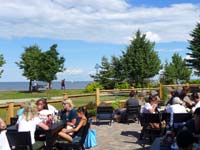
Enjoying lake breezes and views at the Canal Park Brewery Beer Garden - Canal Park.
Follow our Hunt for the
Best Burgers & Pubs
in Duluth, Minnesota.

Enjoying lake breezes and views at the Duluth Canal Park Brewery Beer Garden - Canal Park.
See the lighthouses on an Apostle Islands Cruise.
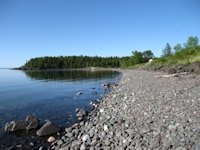
Best Agate and Rock Picking Beaches around Lake Superior
Travel Information |
Motels & Hotel Directory |
Lake Superior Circle Tour Road Map & Guide to Travel Attractions around Lake Superior.
How to recognize Lake Superior Agates and Beach Rocks.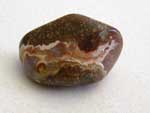
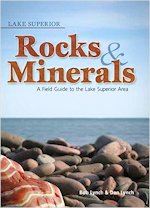
See Our Reviews of the best guides to Lake Superior Agates and Beach Rocks.

 See our guide to interesting and fun things to see and do on Madeline Island.